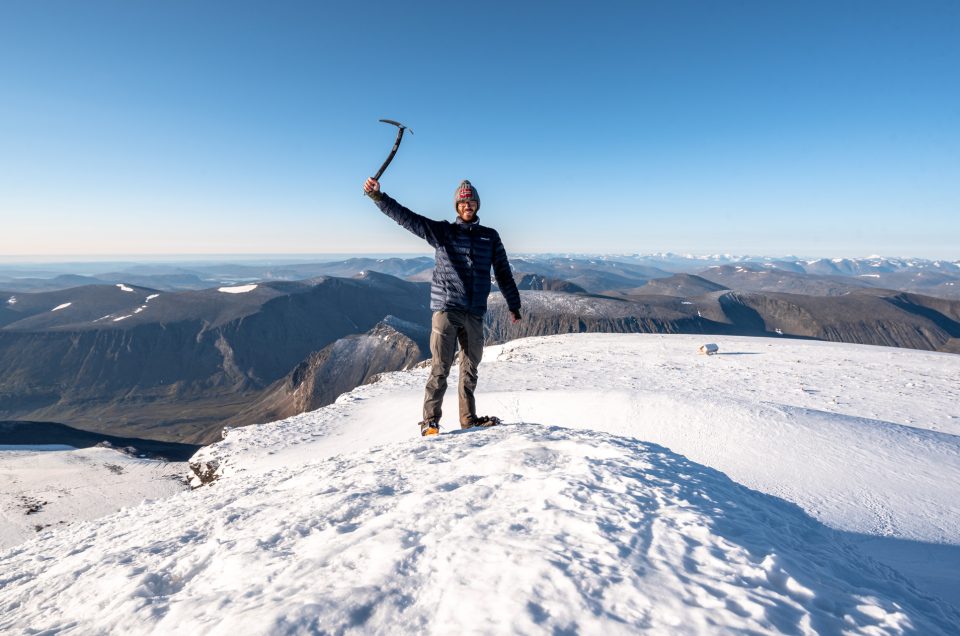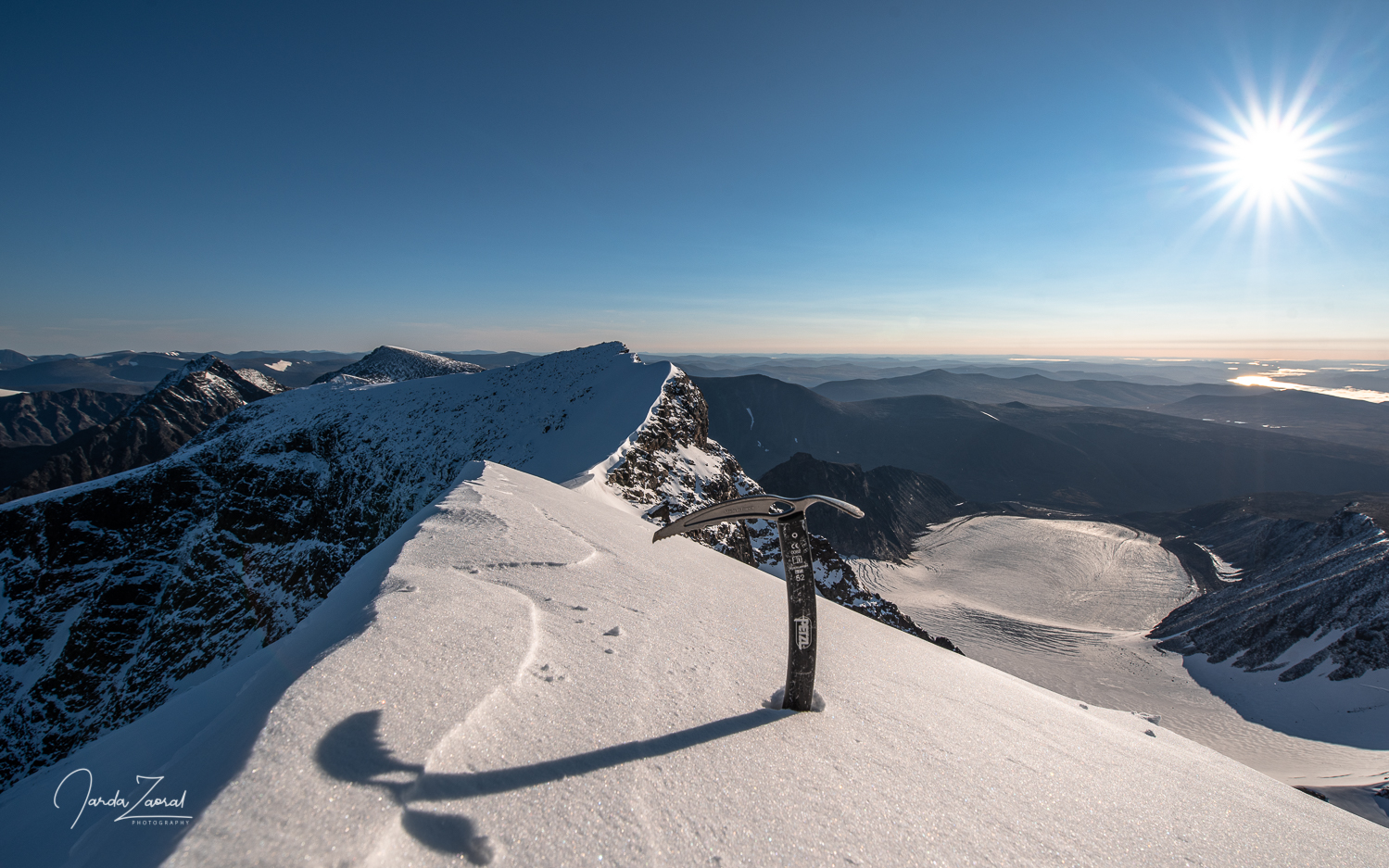
Some landscapes look like they were designed to be watched from a plane rather than walked through with a heavy backpack. The Lofoten Islands belong in this group. Sharp mountains rise straight from the ocean, small fishing villages embrace the shoreline, and the weather changes faster than you can put your rain jacket on. Despite that, or maybe exactly because of it, the long Lofoten crossing is the most powerful hiking adventure you can experience in Europe. This guide is based on my ten-day crossing of the archipelago with camping gear and a full backpack. It was both the most tough and the most beautiful thru-hiking experience I have made. My goal isn’t to write a polished postcard story but to share what the trek is really like: how to prepare, what terrain to expect, what mistakes to avoid, and why the uncomfortable parts are actually a core part of the experience.
Complete Lofoten Crossing Facts (Distance, Elevation, Weather…)
- Difficulty: Long and demanding multi-day trek, occasionally pathless terrain, but no technical climbing required
- Total distance: Approximately 160 km (depending on exact route choices)
- Total elevation gain: Around 5,000–6,000 m over the full traverse (my exact elevation gain was 5526 – see my route below)
- Typical duration: 8–13 days, depending on weather and daily stages
- Best time to visit: June–September
- Weather: Highly unpredictable. Expect rapid changes, strong winds, heavy rain, fog but also beautiful sunny weather.
- Navigation: Trails are not always well marked. GPS is a must, I also recommend to carry a paper map.
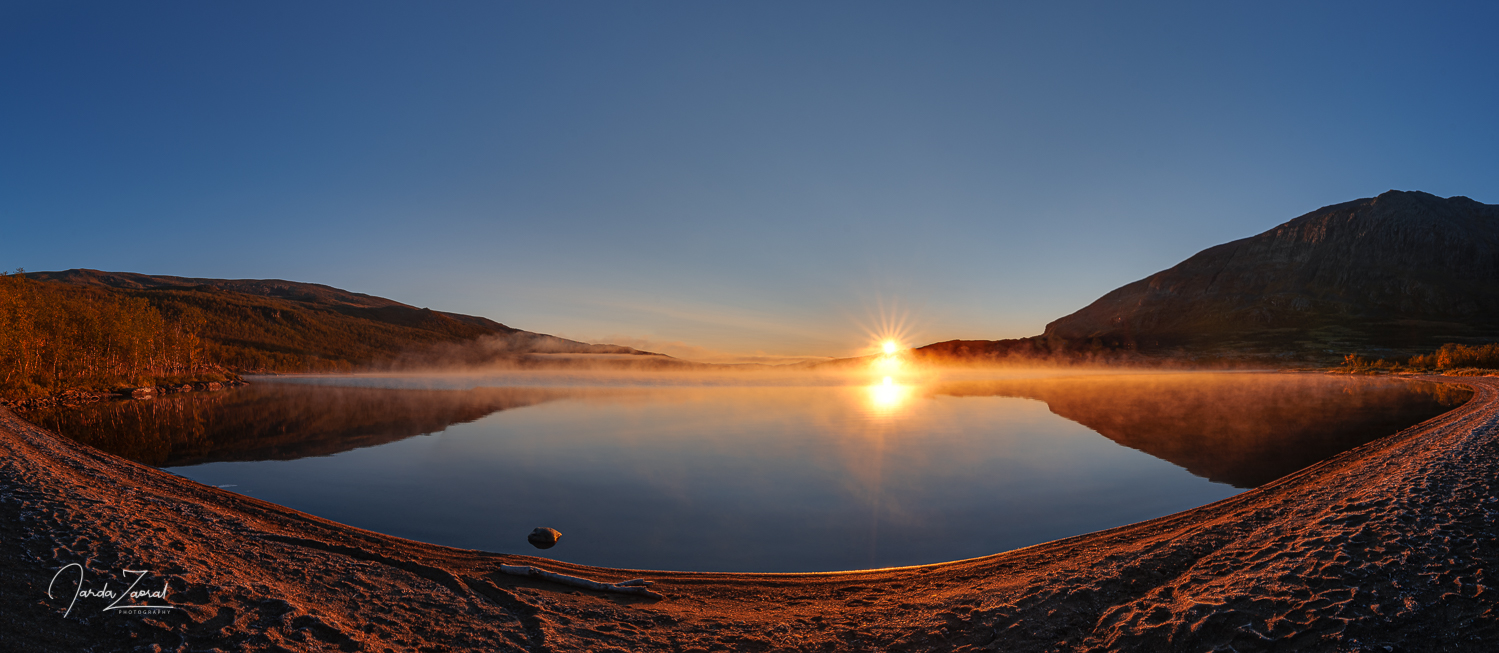
- Camping: Wild camping is allowed in most places in Norway under the Right to Roam, but respect local restrictions near villages and farmlands. On the Lofoten Frilutsråd website, you can see where it’s forbidden to tent on Lofoten. When you are on your trek, you’ll find out that Lofoten islands offer the most picturesque camping spots in the world.
- Shelters: Simple open shelters exist in some areas and are extremely useful in bad weather, but cannot be relied upon every day. During high season, they are very often full. If you plan to stay there, start your hike early. I recommend to use them only during bad weather.
- Accommodation: Guesthouses, hotels, rorbuer cabins, and campsites are available in villages along the route if you need a night under a roof. Check out Lofoten accommodation options in advance as they can be sold out during high season.
- Water: Available from mountain streams and lakes in most sections (filter is recommended where water doesn’t move and if sheep are nearby).
- Food resupply: Possible only in a few towns and villages on the way – you will find shops in Svolvær, Kabelvåg, Leknes, Nusfjord (very small), Ramberg, Sørvågen and in Å. Some longer stretches require carrying multiple days of food supply.
- Signal: Mobile coverage is available almost on the whole trek except its most southern part and a few remote areas. Do not rely on mobile coverage for emergencies. To be able to always call for help, I recommend to bring Garmin Inreach (great also for the weather forecast) or another satellite phone/messenger.
- Transport logistics: During the Lofoten crossing you must use a ferry once (must be booked in advance) and many hikers decide to take bus/hitchhike on the road parts of the hike – be aware that timetables strongly influence your itinerary. It’s also challenging to get to the start and the end of the trek. See details below.
- Experience level: Recommended for hikers with previous multi-day backpacking experience and confidence in bad weather.
Why hike across the Lofoten Islands at all?
The Lofoten islands are very close to my heart. They are dramatic and extremely beautiful. I have visited Lofoten ten times in the last 15 years and I always long to go back. The islands have changed a lot since my first visit in 2012. There are many more tourists nowadays. However, most people come to Lofoten for the most popular views and stay only for a short time. They visit the most popular beaches, do the famous hikes to Reinebringen and Kvalvika, move on and complain back at home that Lofoten islands are overly touristic.
If you are questioning your visit of Lofoten right now, I have good news for you: the Lofoten islands might look busy when you get to the most popular places but I met 10 people in total during the first 7 days of my hike! A multi-day trek slows you down, removes a lot of comfort, and suddenly gives your head plenty of space to enjoy the beauty of Lofoten without tourists.
I don’t want to describe this hike as a simple, wonderful and flawless experience. You will experience beautiful moments, but you will also stand on a windy ridge in the rain wondering why you didn’t stay at home. That contrast is what makes the Lofoten crossing such a personal journey. For me it was also my last big solo trip before my wedding and before becoming a father, which made everything even more intense and memorable. If you are looking for an unforgettable experience, continue reading.

When is the best time to hike across Lofoten?
The main trekking season is from June to September.
- June: long days, possible snow in higher passes, you can enjoy midnight sun
- July – August: more stable weather, also the highest number of visitors
- September: fewer people, shorter days and a chance of northern lights
There is no universal “best” month. Choose a period based on your priorities and be ready to adapt to weather – you simply can’t negotiate with it here. I myself crossed the Lofoten at the end of August and I would have preferred to do it a bit later. It wasn’t dark enough to see northern lights and that’s one of the highlights of the trek I missed this time.

How hard is Lofoten Crossing? How much do you have to be prepared?
On paper, the trek sounds simple: around 160 km, several thousand meters of elevation gain and eight to thirteen days of walking. In reality, the kilometers behave differently on the islands than online on a map. Wet swamps and big boulders together with steep pathless and scrambling sections turn “reasonable” distances into long demanding days. Be ready that your speed will be sometimes just 1km per hour. Saying that, you should be physically prepared. But on Lofoten, success depends just as much on your mindset:
- You must be able to accept rain and discomfort.
- It’s great to know when to push on and when to stop – take a break for a day or two in case there is very bad weather forecast.
- Be flexible in the planning process and evaluate your plans every evening again.
The days consist of very simple tasks: walk, eat, pitch the tent, dry things, sleep, repeat. After a few days this almost meditative routine becomes surprisingly enjoyable. Your head switches to “now and here”. The problem starts if you have to face a bad weather forecast for multiple days in a row. I experienced a lot of rain during the first half of my trek and it was tiring. My goal was to tent every day but I changed my mind quickly after being completely soaked for two straight days. Allow yourself to book an accommodation if necessary.

Weather on Lofoten: the main player of the Lofoten Crossing
The weather decides everything here: route choice, daily distance, mood, and sometimes even safety. During my traverse I experienced days of continuous rain, strong winds, fog with zero views, and then suddenly crystal clear skies and dramatic light. Expect tough weather but be sure that you will also have beautiful sunny days and you can even get sunburnt! Of course, that happened to me too as I always underestimate the sun. The weather changes often in Lofoten and you will likely experience both the happiness and sadness.
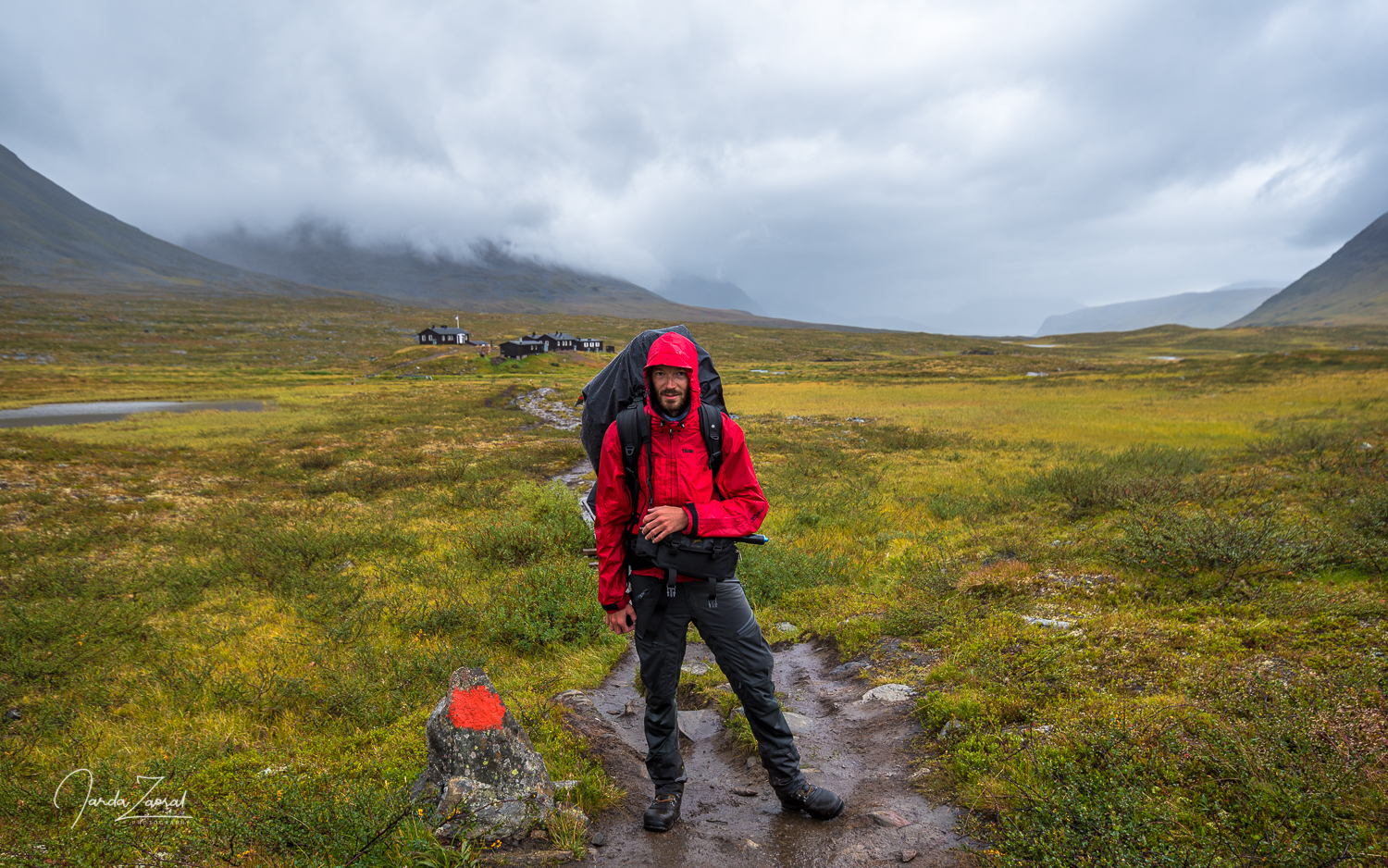
My biggest mistake? Not bringing waterproof pants. At some point you don’t feel “a bit wet” anymore – you are completely soaked, and warming up becomes difficult. During my wettest days, I didn’t take breaks because I would feel quickly cold in my wet clothes.
Do my comments on weather sound too pessimistic so far? That isn’t the goal. I just want to warn you that the weather can be very bad but it turned around for my second half of the trek. I also have to mention that I experienced a trip to Lofoten in September in 2015 when I had clear sky for 10 days in a row! All can happen there and if you have bad luck with the weather at some point, I promise you’ll love the beautiful clear sky days even more.

What weather forecast app should you use on Lofoten?
As I am a bit of a weather forecast nerd, I have dozens of weather apps in my phone. I tried most of them on Lofoten and I strongly recommend to download Yr.no app. This is an app made by the Norwegian Meteorological Institute and it provides the best local forecast. I recommend to watch especially its map where you can see the precipation in real time and in the upcoming 90 minutes. This was very useful to plan for the nearest future. Watch also the wind strength. Winds above 10m/s can be very dangerous on the ridges.
Besides Yr.no, I recommend Windy app where you can compare different forecast models, watch different layers (precipation, clouds…) and also a live radar. These two apps saved my butt many times from being even more wet.
Would you like to watch northern lights on Lofoten Crossing? I wrote thorough articles Practical Guide to see Northern Lights and How to photograph northern lights. Read those also to be prepared for the miracle.

Sleeping on Lofoten Crossing: tents, shelters, and roofs over your head
Lofoten Crossing is ideal for combining different types of accommodation:
- wild camping
- basic open shelters
- occasional nights indoors when everything is wet
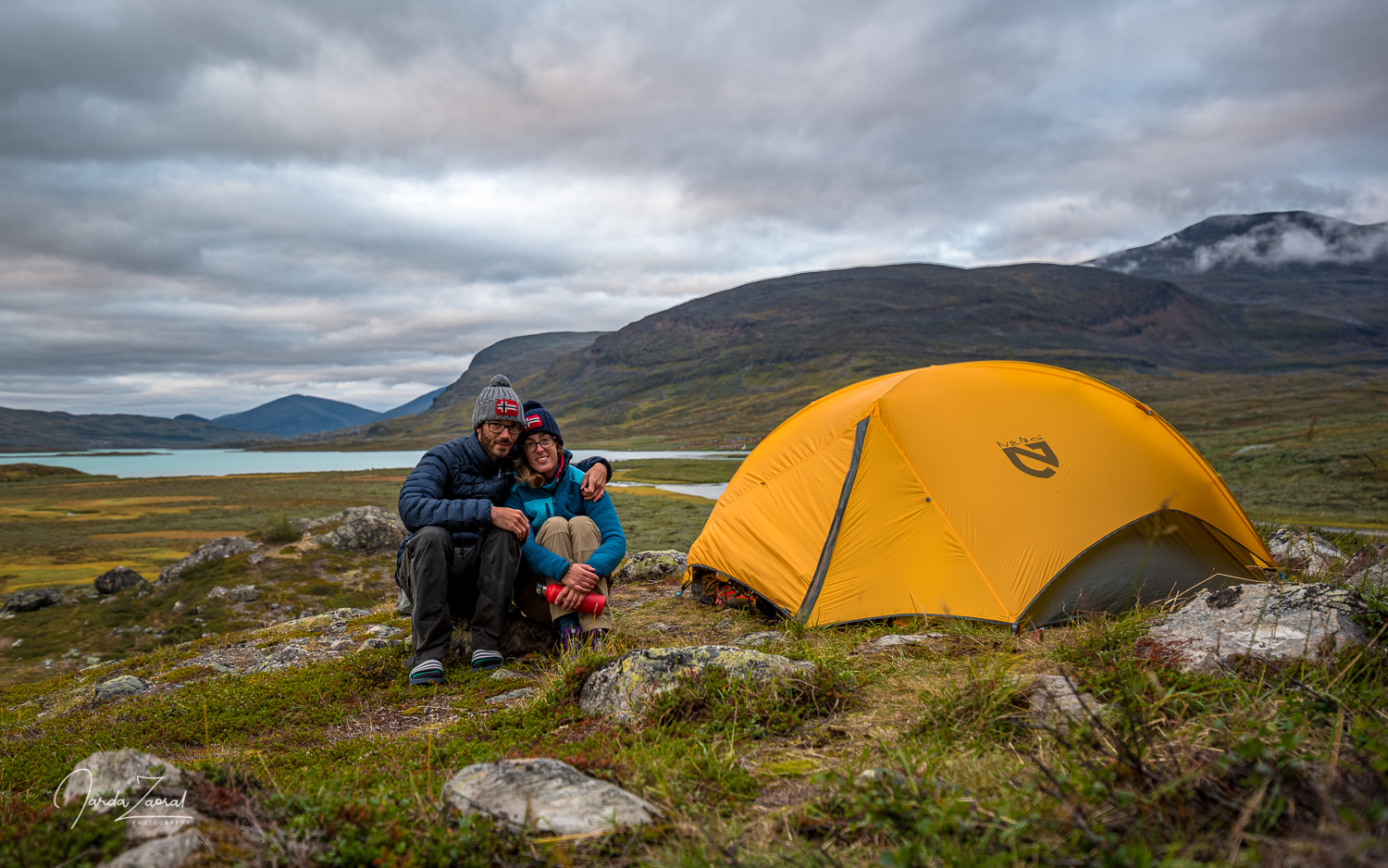
I recommend to tent when you have a great weather forecast. Lofoten is simply the best place in Europe when it comes to tenting. You can tent almost anywhere (read the rules Right to Roam) and you’ll never forget your tent views. I am sure I spent the best tenting nights of my life on Lofoten.
But if the weather is bad, especially for multiple days in row, you’ll appreciate shelters. Some are basic, sometimes doorless, but they offer what matters: wind protection, a place to cook, and somewhere to dry gear. I list them from north to south. Be free to use these shelters (and I also mention other accommodation options) on the way:
- Nøkksætra – it’s ca 90 minutes away from the main path but it can be added to your itinerary in case of bad weather or in case you want to explore a bit more on the way. It can be booked if you are member of the The Norwegian Trekking Association.
- Svolvær – one of the largest cities on Lofoten offers a lot of accommodation options. Due to bad weather, I stayed in Scandic Svolvær for one nice comfortable night with an exceptional breakfast.
- Madsvatnet – a nice shelter by a lake 30 minutes from Kabelvåg.
- Ravnkloa – a cosy hut by lake Vestre Nøkkvatnet (detour from my route).
- Botnkoia – an open hut in a valley (detour from my route).
- Unnamed shelter which saved my butt – on island Vestvågøya.
- Kvilebua – the cosiest hut on the way.
- Gammen – another cool hut but this one is very popular because it’s nearby Leknes.
- Leknes – another big city on the way. Here, you’ll find a lof of accommodation options
- Nusfjord – a cute village in the fjord offers accommodation in classic Lofoten rorbuer.
- Ramberg – a bit of a detour but it’s a very cosy village with wonderful beach and a shop. I stayed here half a day to resupply and have a nice lunch.
- Fredvang – you can also stay inside in village at the trailhead to Kvalvika where you’ll find many accommodation options.
- Selfjordhytta – another DNT hut which can be booked if you are member of the The Norwegian Trekking Association.
- Steinbu – a small shelter made of stones – the wind goes through so not ideal but a great spot in case of heavy rain.
- Munkebu – this is a wonderful DNT with perfect location but it was closed due to vandalism. Simply, too many impolite tourists arrive to Lofoten too.
- Sørvågen – back in society, in this village you can find a lot of places to stay.
- Å i Lofoten – this is the end spot for many of Lofoten Crossing hikers. You deserve now a comfortable sleep.
But remember – camping gives maximum freedom and the best views. There is always place for a tent but the shelters and huts can be full so plan your trek accordingly.

What is the route of Lofoten Crossing?
Lofoten crossing is an amazing thru-hike which usually starts in a small settlement called Delp on the island Austvågøya and ends in the famous village Å i Lofoten on Moskenesøya. It follows a mix of marked trails, unmarked tough trails where GPS navigation is a must and road sections between the main villages. Remember that you are flexible and you can adjust the route according to the weather and your feelings. The majority of hikers even choose to skip the road parts of the hikes by car or bus for safety and/or time reasons. Why not? I didn’t do it because I wanted to do the hike properly from point A to B but I have to be honest here. It wasn’t worth it. The parts where you walk on the road are a bit boring.
Is it better to go from north to south or south to north on Lofoten Crossing?
I strongly recommend to start in the north and head south. The nature will be more and more “wow!” on the way and it’s also better to start in the north for logistic reasons (see below). The trail finishes comfortably in Å or Moskenes which offers a direct ferry to Bodø where you can take a flight back home.

Let me present to you Camino de Lofoten
My route was slightly different as I planned to hike from church to church and I called my hike CAMINO DE LOFOTEN. I started from the beautiful Sildpollnes Church on island Austvågøya to the church in Å. Eventually, the hike got a bit longer in the end because the church in Å was a bit boring and I wanted to finish at a more epic place. In the end, I hiked 5km more to Moskenes church where I comfortably ended my hike next to the ferry terminal at Moskenes. From there I took a ferry to Bodø for my flight back home.
This option doesn’t make the hike easier or harder but I liked the idea of creating a new CAMINO ROUTE. I don’t know if it becomes popular but if it inspires just one person, I will be happy 🙂 If you’re the one, let me know at info@jardazaoral.com.
I decided not to use any vehicle on the way (which was a stubborn idea – I’ll explain later). I wanted to make a continuous line across the archipelago with a clear symbolic beginning and end. I simply wanted to cross all the Lofoten islands on foot. The price for that feeling was more km on road, less sleep and more pain but the reward was great at the end. The hike felt complete and I have a great final GPS map in my Suunto and Strava map 😀 After explaining logistics to the starting and ending point, you can see exactly how my route was.

Logistics: the trickiest parts of a Lofoten Crossing
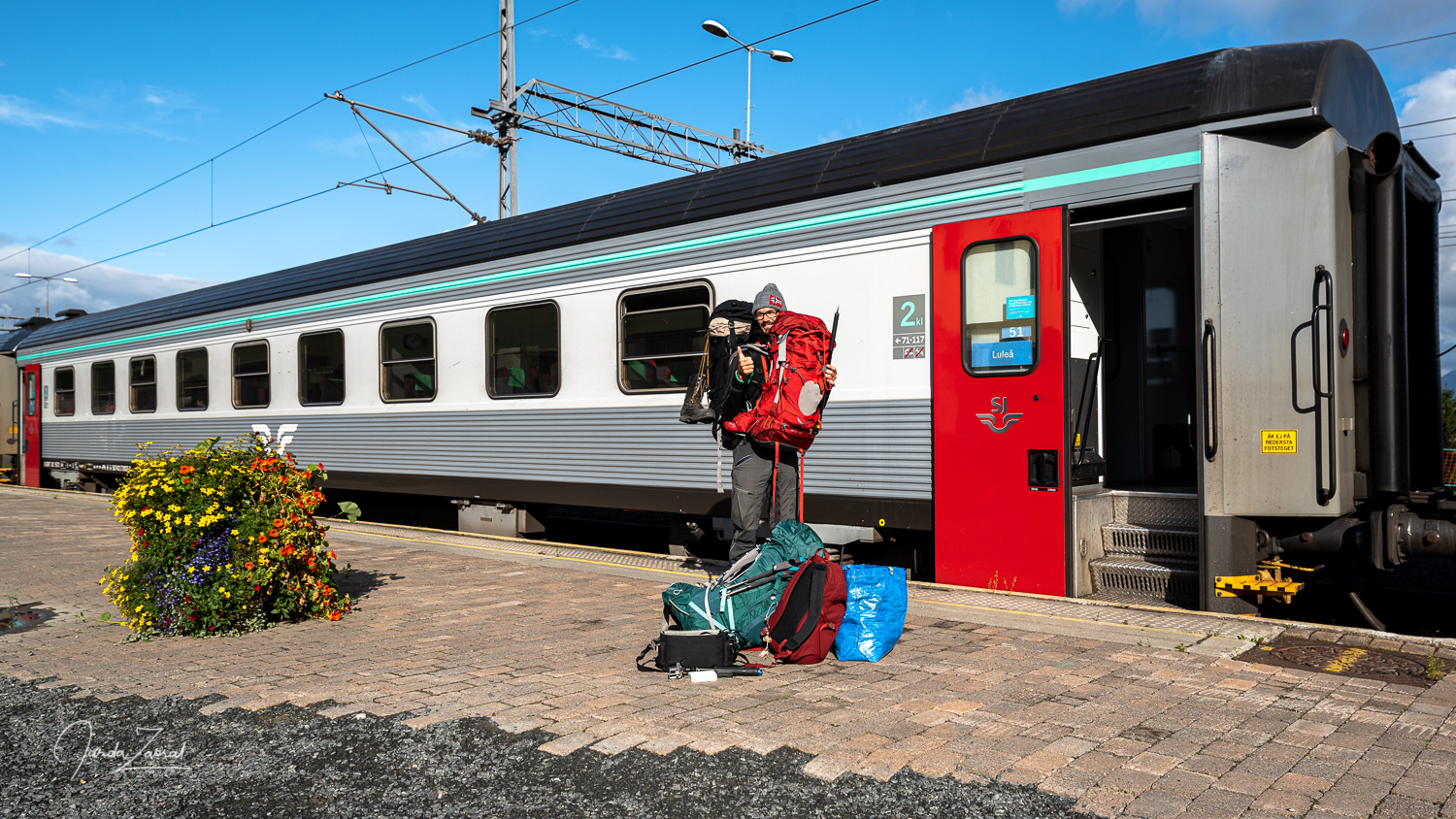
Another hard part of the whole trek is the logistics around it. The first challenge is simply reaching your starting point. This is another reason why I began at Sildpollnes Church rather than at the more “classic” start in Delp. There is a direct bus from Narvik Airport to Sildpollnes, which makes the beginning far more straightforward. Check out your route here and look for bus 300.
The second logistical hurdle is crossing Reinefjorden in sync with the ferry timetable. Your daily stages aren’t shaped only by weather and terrain, but also by this ferry. If you miss the connection you might lose the whole day. Book your tickets via Reis Nordland here and search for connection from Kirkefjord to Vindstad.
A third reality of the Lofoten Crossing is that you won’t always walk on wild trails. At several points you have to walk on roads and once you will have to even pass through a tunnel between Vestvågøya and Flakstadøya. This brings difficulties because it is forbidden to walk in the tunnel. You either must take a bus or hitchhike to pass it. I made an exception to my hike of the whole Lofoten islands and hitchhiked here. It took me 5 minutes to stop a car as many cars are passing.
The final logistical puzzle is coordinating your finish with your transport back home. After 8-13 days on the trail, the last thing you want to discover is that your connection left the day before. Instead, I strongly recommend you to plan your Lofoten Crossing with some buffer time. I made the whole hike in 10 days but I wish I had two days extra so I could enjoy some wonderful sunsets without hurrying and thinking what I have to do next early morning. Some moments will be magical, I promise, and you will want to have the option to just stop and enjoy the moment.
Also consider if you want to cover all the asphalt parts of the trek. Many hikers choose to skip these asphalt sections by taking a bus or hitchhiking – and it absolutely makes sense from a comfort perspective and it will save a lot of time.
To sum it up, the planning logistics of Lofoten Crossing aren’t an exact science. It’s more like fitting moving pieces around bus routes, ferries and weather windows. Things won’t always line up perfectly – but if you have the extra time and you do end up waiting, waiting for a ferry with ocean views is not the worst delay in life.

Online GPS maps of Lofoten Crossing and my Camino de Lofoten
Below, you can see the exact routes I took on my Camino de Lofoten including the Alternative start of the official Lofoten Crossing. Please note that there is no path between Rundfjellet and the lake Botnvatnet – there I walked in free terrain (recommended only to experienced hikers who are confident navigating in free terrain). Between Kirkefjord and Vindstad, you have to use a ferry.
Day 1: Sildpollnes – Rundfjellet (my route)
Alternative Day 1 : Delp – Lake Botnvatnet (official Lofoten Crossing)
Day 2 – 4: Lake Botnvatnet – Outdoor Shelter on Vestvågøya (both routes same)
Day 5 – 8: Outdoor Shelter on Vestvågøya – Kirkefjord (both routes same)
Day 9-10: Vindstad – Moskenes Church (official route ends in Å)
Day-by-day itinerary of the Lofoten Crossing and Camino de Lofoten
Treat this itinerary as an inspiration, not a strict schedule or route. On Lofoten, the weather rules everything. What looks like fifteen kilometers on a map can easily turn into a full-day effort. This is how my Lofoten Crossing looked and I make notes where you can choose different routes or where you can do things slightly differently. You can also read my raw experiences exactly how they were as well as check my Strava maps and statistics.
Day 1: Sildpollnes → Small lake under Rundfjellet
Description of the hike: Short and easy warm up on asphalt with subsequent 400m elevation gain on a nice path
My Strava Statistics and a map:
- Distance: 8.90 km
- Elev Gain: 478 m
- Time: 1h 57m (without stops- 3 hours with breaks)
My adventure started at Sildpollnes Church and it was supposed to be an easy beginning because the first stretch of the trek is on asphalt. But my start was horrible and terrible. When I was dropped off by the people giving me a ride, I just managed to take a picture with Sildpollnes Church when it started to rain heavily. Before I managed to change into waterproof clothes, everything got wet.

Afterwards, I hiked for 3 hours in heavy rain. It wasn’t pleasant but I was happy that I was moving after the whole day in planes and cars. After leaving the asphalt, I turned to the nature towards mountain Rundfjellet. I wanted to go as far as I could but my ascent wasn’t long. The rain was too strong and I couldn’t wait to be under the roof of my tent. In the end, I found a great camping spot by a lake at 400m.a.s.l with a view of mountain Rundfjellet, my goal for the next day. The spot was beautiful and it stopped raining for a while so I managed to build a dry tent!
The saddest thing was that my sleeping bag got wet in my backpack and I didn’t have gas for my outdoor kitchen yet because there was no shop at the airport. Warm food, a warm sleeping bag, and tea must wait one more day until I reach Svolvær.

Alternative Day 1: Delp → Sandsletta
Description of the hike: Tough start with a climb to mountain Matmora (788m) and steep descent to Sandsletta.
Statistics of the hike and a map:
- Distance: 11.80 km
- Elev Gain: 791 m
- Time: 5h 30m
This is a great alternative if you want to do the original Lofoten Crossing. This stretch covers mountain Matmora and ends comfortably in a camp called Sandsletta. It’s recommended to avoid this ascent in case there is a bad weather forecast. Parts of this stretch are exposed and it can get very slippery quickly.
Day 2: Small lake under Rundfjellet → Svolvær
Description of the hike: Very tough hike with ascent to Rundfjellet (803m), steep descent in free terrain and still hard descent on path from lake Botnvatnet to Svolvær
My Strava Statistics and a map:
- Distance: 14.47 km
- Elev Gain: 825 m
- Time: 4h 16m (without stops – in reality the whole day)
This day prepared an unexpected drama for me. I could have taken a bit longer and safer route (see the alternative route below) but this “shortcut” via Rundfjellet looked exciting. I heard a lot about views from Rundfjellet and didn’t want to miss them. The only problem was that there was no trail on my app mapy.com between this mountain and lake Botnvatnet where I was supposed to get back to the official route. I saw a trail though on local Norwegian app Norgeskart so it should work, shouldn’t it?
The ascent to Rundfjellet was hard because it rained again all the time. I made it to the top but there was no view. Just rain and fog (thank you wrong forecast). I took a break to eat and decided to to wait a bit for weather window. But it didn’t work! I had to leave soon because it gets cold quickly when your shoes and pants are completely soaked.

I continued on the ridge according to Norgeskart map but suddenly there was no path and it was too steep. No! It was actually so insanely steep on both sides of the ridge that even passing it with a rope would be very hard. What’s wrong Norgeskart? What will I do now?
Looking at safer and more reliable mapy.com (you can also download the mapy.com app), I found out that there is another path on the other side of the ridge than I had planned to take. Great! But analyzing the route more, I found out that it would mean 15km on the road later to Svolvær! Oh no!
I was ready to accept this change of the route when the sky cleared up. I suddenly had a wonderful view and I spotted a visible path in my initial direction! The path turned in the valley 1km earlier than in the Norgeskart app. Crazy. How can a navigation app be so wrong?
The descent back to the official path at Botnvatnet lake was hard as there was a clear path only for a few hundred meters. Then, it was a freestyle descent. I enjoyed it but I recommend it only for experienced hikers who like walking in difficult and unmarked terrain.
When I reached the official path at lake Botnvatnet, the hike became easier but not much because it was raining again. I wanted to stop at Svolvær camping to stay overnight but it was full so I had to continue to the city. I found a nice Airbnb in the end. It was a smart choice because I could dry all my crazy wet stuff.
Btw. This day, I met the first person on my adventure. It was a French guy who wanted to do the whole Lofoten crossing too but he gave up. Too crazy weather for him. I quickly realized that this hike isn’t for everyone.
TIP: If you are looking for accommodation in Svolvær, I recommend hotel Scandic Svolvær with comfy rooms, nice views and an unforgettable breakfast.

Alternative Day 2: Sandsletta – Svolvær
Description of the hike: Moderate hike with many lake views and one moderate ascent and descent.
Statistics of the hike and a map:
- Distance: 15.3 km
- Elev Gain: 520 m
- Time: 5h 20m
This is definitely an easier alternative to my day 2 but don’t underestimate it. This hike isn’t easy either. It goes up and down in a difficult terrain and the whole stretch is supposed to take around 7 hours including breaks.
Altogether, the difficulty of day 1 and 2 of my route and the official Lofoten Crossing route is similar but the descent in free terrain from Rundfjellet adds another challenge. Take this route only in good weather and if you can handle navigation in free terrain.
TIP: If you have an extra day in Svolvær, consider hiking the wonderful mountain Store Kongstinden or climb Svolværgeita.

Day 3: Svolvær – Jordtinden
Description of the hike: Easy start of the day on the way to Kabelvåg where you walk on a bike path and then a demanding ascent to a beautiful ridge with wonderful views and perfect tenting spots.
My Strava Statistics and a map:
- Distance: 16.41 km
- Elev Gain: 880 m
- Time: 4h 3m (without stops – in reality the whole day)
After two crazy rainy days, I woke up in paradise. Everything is dry! Thank you Airbnb! Svolvær also helped me to buy gas for my kitchen and a dry bag for my sleeping bag. From now on, I can have warm food and sleep dry!
For day 3, forecast was promising half a day of sunshine! I took advantage of it and planned my day to be on top of Simitinden (662m) during the best weather. It worked! Look at the view! I met on the top a local runner who organizes the Hoka Lofoten Skyrace. He showed me the 5 different peaks he climbed on the same day. You can do much more without a backpack and if you are extremely fit 🙂

Since the view from Simitinden was fantastic, I stayed a bit longer and enjoyed there a dinner with beautiful sunset. This was a moment that I had hoped for when I decided to do the Lofoten Crossing. Unforgettable! Later, I walked a bit more and tented on the same ridge, just a bit further with different view from mountain Jordtinden. Not bad right?

Alternative Day 3: Svolvær – Botnkoia
Description of the hike: This is slightly easier route as it doesn't lead over a ridge. Take this route in case of bad weather forecast.
Statistics of the hike and a map:
- Distance: 15.3 km
- Elev Gain: 520 m
- Time: 5h 20m
In case of bad weather, this is a great alternative for you. At lake Damvatnet, turn right instead. There is a steep but much shorter ascent to Vestre Nøkkvatnet. If you’re already tired, you can stay in a cosy hut Ravnkloa with great view or continue first up and then back down to a valley and you can stay at Botnkoia which is another nice open hut.
Note: I won’t describe the alternative day 4 – just follow a nice flat trail to the road E10 where you join my route).
Day 4: Jordtinden → Outdoor Shelter on Vestvågøya
Description of the hike: Very long but easy hike which can be shortened by a hitchhike or a bus with final very wet and swampy section before the end in a cosy shelter.
My Strava Statistics and a map:
- Distance: 34.79 km
- Elev Gain: 499 m
- Time: 8h 7m (without stops – in reality the whole day)
My short weather window decided for me that I will make a looong hike. I didn’t want to spend a night in the tent in crazy wind and rain so I hiked almost 35km until the first shelter on the way. Waking up at 4am was hard but the beautiful sunrise view from my tent was worth it. I had to start this early in order to be done at 3pm before the storm was supposed to come.
After nice descent I had to pass a long journey on road (If you like yourself, I recommend to skip it) and I ended up with insane 5km walk through a swamp and neverending ascent. It was actually only 300m up but the terrain was so hard and I was so dead!
At least I made it to the shelter just before the storm arrived! I started to prepare my dinner when a Brazilian couple showed up. We had great talks, it’s always nice to have a company in a storm.
TIP: If you have a better weather forecast, turn from the road 815 to the mountains earlier and climb mountain Dalstuva where you will have another excellent view. It will make the hike a bit shorter and there are many great tenting spots on the way.

Day 5: Outdoor Shelter on Vestvågøya → Kvilebua
Description of the hike: Rest day - this is a short and easy hike
My Strava Statistics and a map:
- Distance: 4.84 km
- Elev Gain: 374 m
- Time: 1h 27m (without stops – 2 hours in total)
This day was short due to bad weather forecast. The only goal was to reach a hut where I can be protected from crazy rain and wind. The Kvilebua hut is super cosy. I was not the only one having this idea, and ended up sharing the hut with a Brazilian couple, a Belgian couple, and a Canadian. We managed to make a fire despite wet wood and everything got dry, though also smokey. The weather forecast looks finally good for tomorrow. Can’t wait!
TIP: In case of great weather, continue to mountain Blåtinden and find a camping spot with great views around there.

Day 6: Kvilebua → Napp
Description of the hike: Very long but easy hike with a shopping and dinner break in Leknes. You have to pass a tunnel this day.
My Strava Statistics and a map:
- Distance: 25.4 km
- Elev Gain: 774 m
- Time: 6h 2m (without stops – the whole day in reality)
The weather finally got better and it should even be great for the following days! It’s time to enjoy the Lofoten Crossing!
Having a tailwind on a nice path with tasty cloudberries around and great views is a perfect combo to start a day. As a bonus, I hid my backpack for a while behind some rocks to climb the mountain Blåtinden. There was a cool view and there is even a tenting spot. Consider coming up here in case you have great weather.

The hike continues on a great path towards Leknes. You will pass maybe the cosiest hut on the way Gammen and then you continue down towards the city. I made a resupply in Leknes and continued my walk until the end of the island. Here it’s time to hitchhike because pedestrians are not allowed in the underwater tunnel connecting Vestvågøya and Flakstadøya.
On the new island I took just a short hike because it was getting dark. I found a decent spot with a view over the ocean and slept like a baby.
TIP: At the end of the island Vestvågøya, climb mountain Offersoykammen during great weather conditions. I haven’t been up there yet but heard that there is one of the nicest views of Lofoten. There are also some excellent tenting spots.

Day 7: Napp → Nesland
Description of the hike: Very long and hard hike. Don't underestimate the coastal part of the hike. It's a difficult up and down terrain.
My Strava Statistics and a map:
- Distance: 22.88 km
- Elev Gain: 1018 m
- Time: 6h 27m (without stops – the whole day in reality)
Looking at the map, I thought this day would be an easy one since the trail goes mostly along the sea. I was wrong! It was hard all the way except a short road connection. On the coast you can expect all – swamps, giant rocks and also steep climbs and descents. It was a challenging but a beautiful day which ended on a beach where I had a perfect fjord view from my tent. Below I list some interesting tips:
- I took a nice shortcut during the first part of the island. It went through a mountain pass between mountains Andophesten and Hestræva and it brought fantastic views.
- The whole day was actually very nice because it finally didn’t rain at all and I discovered cute lonely villages on the way. These are possible to reach only by a hike or a boat.
- Nusfjord is a bit too touristic but there is a cosy restaurant to which I have to give 5 stars ***** for their pizza.
- This stretch was very long and it’s hard to find tenting spots on the coast. Start your day early or plan the end comfortably in Nusfjord.
TIP: Days 6 and 7 are a bit too long. I recommend to stretch day 5 and have your days 6 and 7 shorter. My days were too long.

Day 8: Nesland → Ramberg →Ryten and Kvalvika Beach → Steinbu
Description of the hike: This was another very long and hard hike but the scenery on the way was so cool that I didn't feel any pain. Be very careful between the beaches Kvalvika and Vestervika. I found the upper path pretty scary. Choose the lower one.
My Strava Statistics and a map:
- Distance: 25.64 km
- Elev Gain: 759 m
- Time: 6h 26m (without stops – the whole day in reality)
This day started with a long asphalt stretch to Ramberg to resupply and to charge my phone and power bank (it’s hard to hitchhike here because very few people live and drive here).

After a nice breakfast, I continued to the second most popular viewpoint in Lofoten (the first is Reinebringen). It’s crazy how it has changed over time. The starting point to famous mountain Ryten and its view to the wonderful Kvalvika beach is now equipped with two restaurants and a giant parking lot. Five years ago I was here with my girlfriend Joanne and we met maximum 20 people on the trail. There was no restaurant, no parking lot. This day, I estimate it was more than 400 people! Luckily, it doesn’t matter much because all the people spread across the trail so you never feel crowded and as a bonus, I could get a nice espresso shot at the start.
Ryten offers beautiful views, so does Kvalvika beach to which you can descend by new sherpa stairs. This time I even visited the famous hobbit-style shelter which was featured in the North of the Sun documentary. If you haven’t seen it, do it, it is an amazing piece of art.
Here, it’s worth to stop and enjoy. I recommend to tent on Kvalvika as its the most beautiful beach on this thru hike and it’s also a wonderful spot to watch northern lights. There will be many fellow tourists as this spot is reacheable by an easy half day hike but the beach is so big that it never feels crowded. I wish I could tent at Kvalvika but I had to continue. I had to catch a ferry next day at Kirkefjord and it was still far…

Passing to Vestervika beach from Kvalvika showed up to be the scariest place of the whole Lofoten crossing. At one point, there was just a small crack in a rock wall which you have to pass. If you make a mistake there, you fall 30m. Why isn’t here a rope or some other security? I was a bit scared to continue but once I tried the first step, I was surprised that it felt stable enough. In the end, I passed it safely but I was completely pumped by adrenaline. There is one more path passing Vestervika beach from Kvalvika at lower altitude. It’s also tricky but safer. I recommend that one.
The Vestervika beach is also beautiful. If you want to tent on your own, choose a spot here instead of Kvalvika. Unfortunately, I still had to continue to catch the ferry. It was supposed to leave already at 14:30 on the next day!
I passed a big lake and I suddenly ran out of energy. I started to look for a tenting spot when a random shelter showed up! That’s for me! The cosy rock shelter Steinbu was located at a much less epic spot than I would wish for but it saved me a lot of time by building my tent. I made it cosy inside with a candle, had a great dinner and slept the best of the whole trip.
TIP: I strongly recommend to have at least one more day for day 7 and 8. This is the most beautiful part of the whole Lofoten Crossing and you don’t want to hurry here like me.

Day 9: Steinbu → Vinstad → Forsfjord → Unnamed mountain camp
Description of the hike: This is the hardest day of the whole Lofoten Crossing. The day starts with a challening swampy walk to lake Fageråvatnet. It continues with beautiful passes to Horseidvatnet and finally to Kirkefjord where it's time to take a ferry (be careful as it goes only once or twice a day. Check the timetable and book your tickets via Reis Nordland here!). You think the day is over? Until now, it was just a warm up. From Vinstad to Forsfjord, there is the hardest terrain of the whole lofoten Crossing. Expect a pace of 1km per hour. Finally, from Forsfjord there is the toughest ascent of the whole trek until you reach a dream tenting spot with a spectacular view. Time to rest and enjoy the scenery.
My Strava Statistics and a map:
- Distance: 17.59 km
- Elev Gain: 1268 m
- Time: 5h 30m (without stops – the whole day in reality)
After a good sleep, I was a bit lazy to wake up and that was a mistake. Because of that, I had to hurry the whole morning to catch a ferry from Kirkefjord to Vindstad. Luckily, two quick French guys caught me up and we had a great pace together. When walking through passes, I realized we are making good time, so I managed to take some pictures. See. It was pretty spectacular. I wish I had time to visit and tent on Horseid beach. It looked amazing!

We all caught the ferry, including 4 Dutch guys who seemed to struggle with time even more than me. The ferry offered a nice break on the way to Vindstad. It was a good time to load some energy because I read all the worst about the hike to Forsfjorden and the reality was even worse. 2km on this crazy shore took us more than 2 hours. There was actually never an official path at the beginning but hikers found a way via insane boulders, caves, swamps and huge vegetation. I felt like in Jurassic Park. The only difference was that there were no dinosaurs, instead there were huge mosquitoes eating my legs. Ush!

When we finally reached Forsfjord, the Dutchies wanted to tent there because they were too tired. I was too but I couldn’t stay. This was the only ugly place of the whole trek. The local hydropower plant was simply not charming and staying with the mosquitoes? No way! Luckily, the French guys had the same opinion so we started to climb the most technical climb of the whole Lofoten crossing. Earlier, we met a couple who returned because there was a scary waterfall which they didn’t dare to pass. How will it be for us?
The hike up was surprisingly nice, well marked and the waterfall wasn’t scary. It was rather fun! We managed to climb up 400m and there was the most scenic tenting spot of the whole trip! Look!
It was a superlong day, maybe not in km but the terrain was the toughest and I made the highest elevation gain. After I built my tent, I think I fell asleep in 10 seconds. I didn’t even have dinner.
TIP: If the waterfall above Forsfjord is too strong, wait a bit. The intensity of the stream changes. Since it’s strongest during rain, try to avoid this hike during bad weather times.

Day 10: Unnamed mountain camp – finishing in Å
Description of the hike: The last day brings the biggest highlight of the whole Lofoten Crossing. Munken. Remember this name properly because from its peak you'll probably have the most beautiful view in your life. The hike is finally less hard because there is a clear path and compared to the previous days there is no real challenge. But again, don't underestimate it, especially in wet conditions.
My Strava Statistics and a map:
- Distance: 15.48 km
- Elev Gain: 481 m
- Time: 4h 14m (without stops – 6,5 hours including breaks)
Since I managed to make a longer stretch than expected the day before, my last day seemed to be easy and it actually was! The only problem was that I had to wake up early again to catch a ferry to Bodø at 14:45.
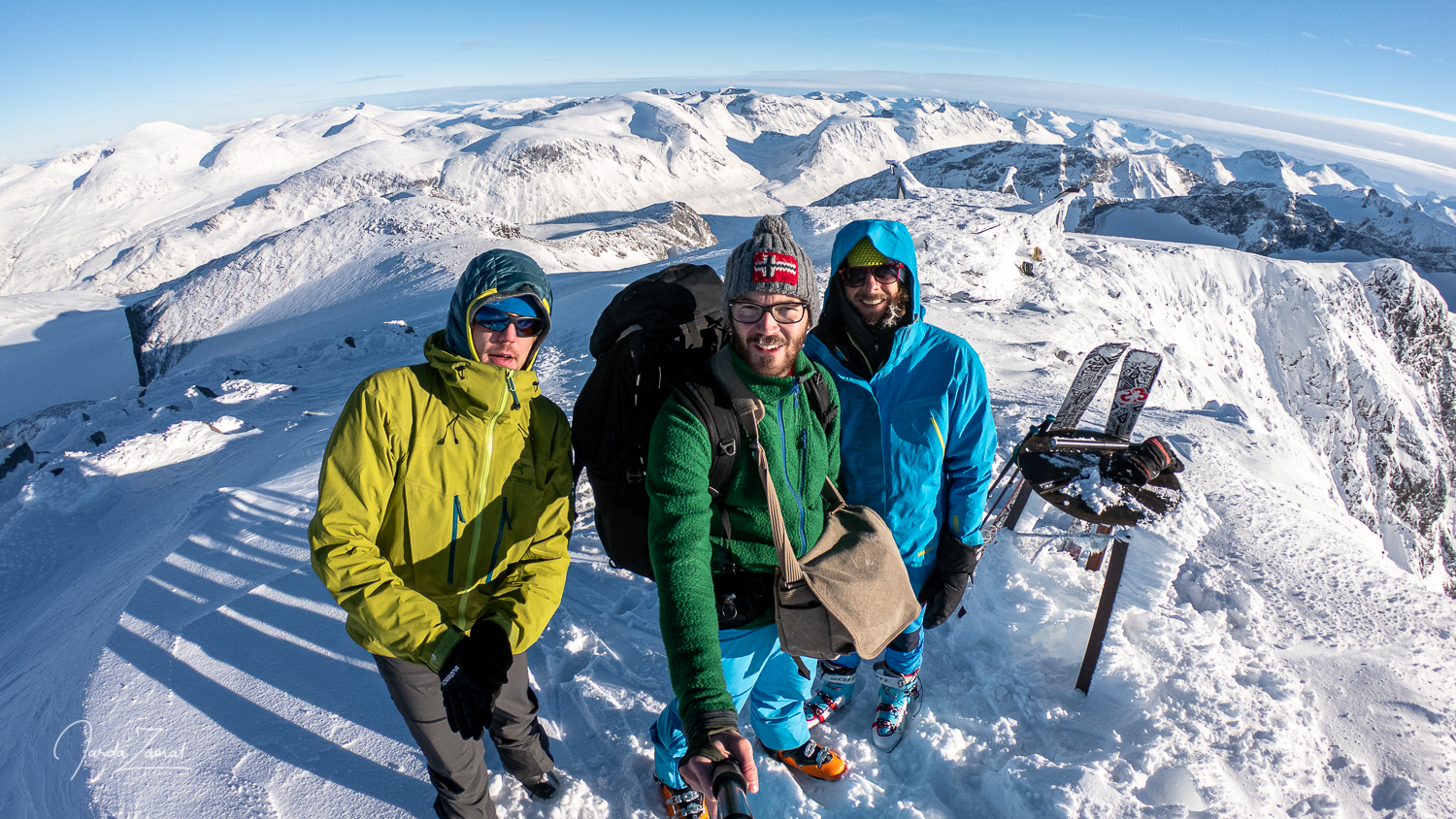
I quickly packed, had a big breakfast and it was easy to hike the remaining part of my trip with new energy. Unfortunately, there were clouds at the highest peaks so I skipped the viewpoint at Munken this time. It is the nicest viewpoint of all Lofoten according to me so you must visit it. Promise it! Luckily, I already visited it before. Look at my favourite selfie.

The descent is pretty straightforward, except its final part which is pretty steep but well secured with ropes. Luckily nothing scary! I made it to Sørvågen already at 10:30 so I had enough time to finish my trip to Å and its church.
I made it and I was ready to celebrate but I found the church lame so I decided to continue to Moskenes where you can find a much more impressive church. It was an easy walk on the road and Moskenes church showed up to be a perfect spot to finish my Camino de Lofoten. I made it! As a bonus, my ferry was leaving just behind the corner!
TIP: This tip is similar to my advice before. Have a day extra for day 9 and 10. It isn’t worth hurrying here because the landscapes are wonderful. If you have amazing weather, you can also climb Hermannsdalstinden, the higest point of Moskenesøya.

Gear for a Lofoten Crossing: what worked and what didn’t
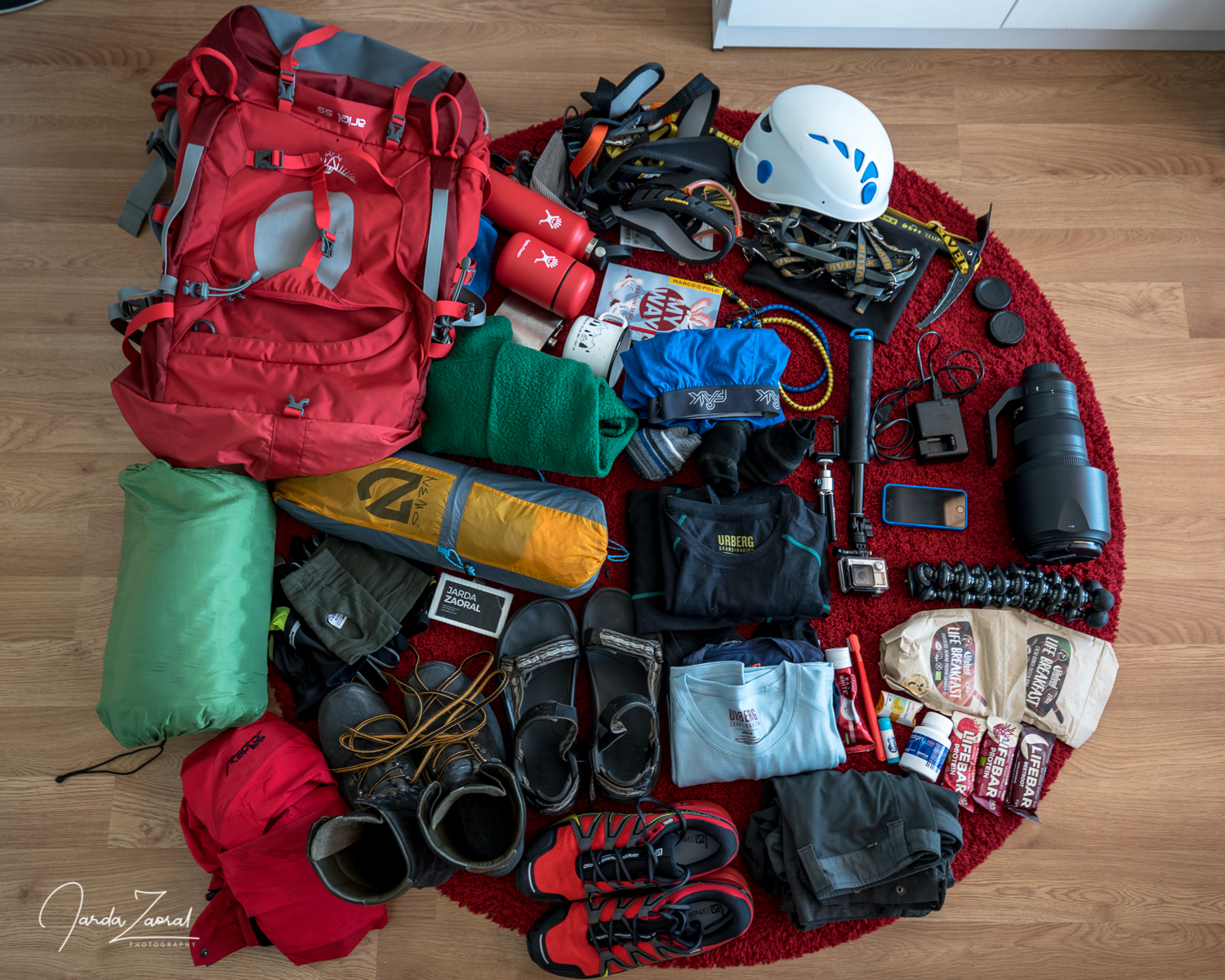
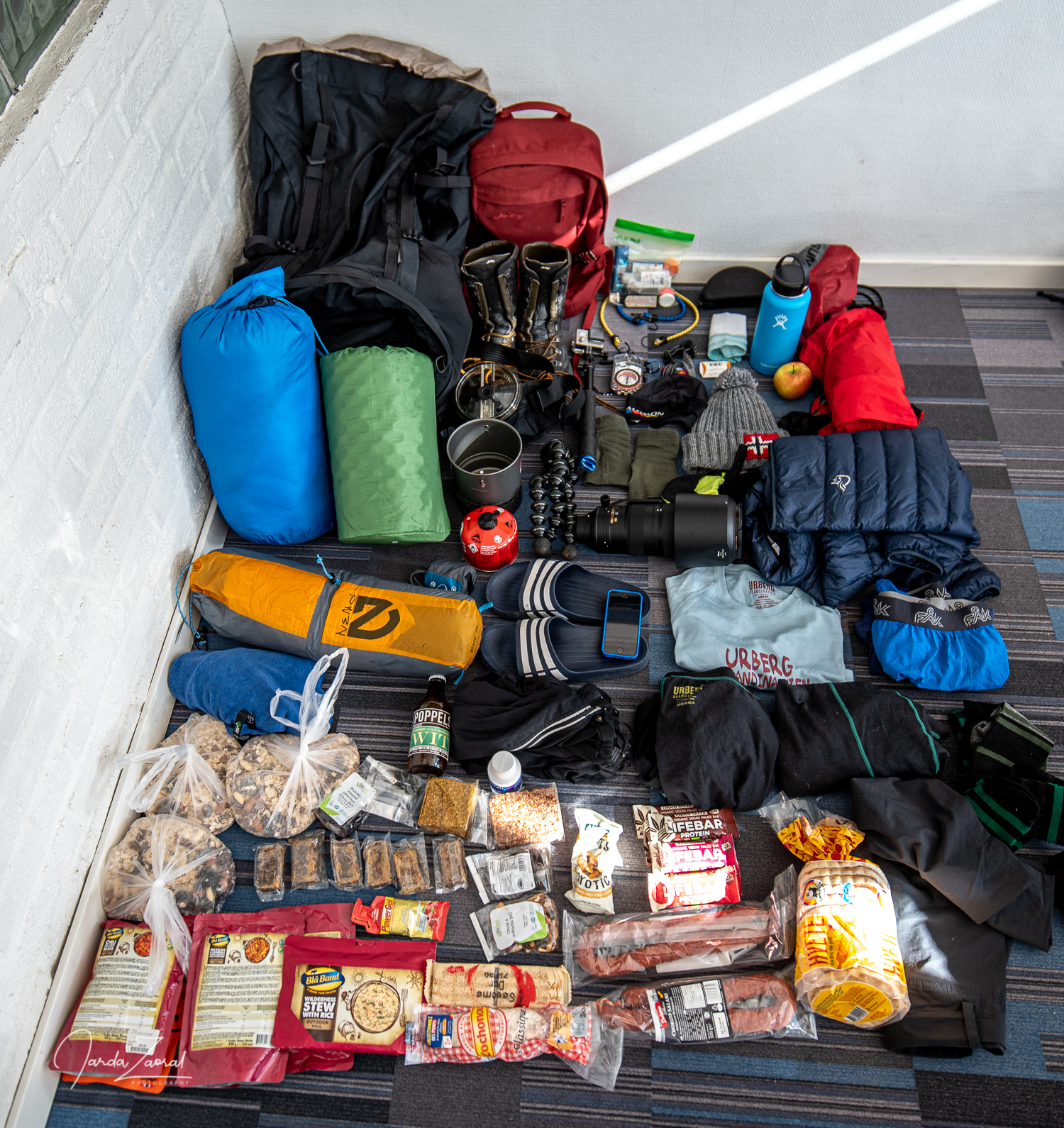
My base backpack weight was around 12 kg. Photography gear added another 3 kg, and with food and water I was often close to 20 kg – which is honestly too much for this kind of hike. If you’re not a photographer, you already have a big advantage. I met a guy on the trail who managed to hike with just 7 kg plus food. Respect. He counted every gram.
Lofoten rewards lightweight packing, but it also punishes missing gear. The essentials are simple: a reliable tent that can handle strong wind, a warm sleeping setup, proper waterproof boots, trekking poles for unstable terrain, and serious rain protection (skipping waterproof trousers was my biggest mistake). Add warm layers for breaks, merino for hiking and sleeping, dry bags for everything important, and a basic cooking system – gas must be bought locally.
Water is easy to find, but weather protection, blister care, navigation backup, and power management matter far more than on classic Alpine trails. And if you carry camera gear, prepare for compromises.
I’m writing a separate, detailed packing guide for Scandinavia, where I go through everything piece by piece – from shelter and clothing to electronics and small comfort items. If you’re planning a similar trip, that article will save you both weight and mistakes. For now, check out my picture below where you can see all the items I had on my trip.

Safety and risks on the Lofoten Crossing and how to cope with them
As you could read in my day by day summary, the Lofoten Traverse is not technical mountaineering, but it deserves respect. Below you can see what the main risks are and how to cope with them:
- Wet, slippery boulders – bring proper hiking shoes and trekking poles
- Swamps and soft ground – bring high hiking shoes so they don’t get wet easily
- Sudden fog with low visibility – bring a reliable GPS, powerbank and ideally a paper map
- Strong wind on ridges – avoid ridges if there is a crazy weather forecast
- Sudden drop in temperatures together with heavy rain – bring enough changing clothes and store them in waterproof bags
- Mental breakdown – it can happen after multiple days of bad weather – have some spare days and just stay somewhere warm inside until the weather is good again

What you will take home from the Lofoten Crossing
Lofoten Crossing & Camino de Lofoten is the toughest trek I have done but it was so worth it. Its landscapes are unbeateable and the physical and mental difficulty of this hike will create a strong story which you will never forget. Adding to it your current life situtation, I am sure it will stay deep in your heart. Look at my example:
“I heard many times that pilgrimages enrich people’s life because they offer time for reflection over the past, bring unexpected experiences, and give you strength into your future life. I felt very overworked before the trek and I know it will be hard to take a longer time off in the future because our baby is coming soon so I wanted to make a last solo trip before our wedding.
When I walked in rain for the first 5 days, I didn’t believe in anything that is said about pilgrimages. I thought it was a stupid idea. For me, it was mostly suffering, being cold and in pain. But when I was lying alone in a shelter watching another storm, I realized one important thing: “I miss my fiancée so much!” I was remembering all our adventures together and it was kind of nice to miss her because I knew that I will marry her soon which means we will be together forever!
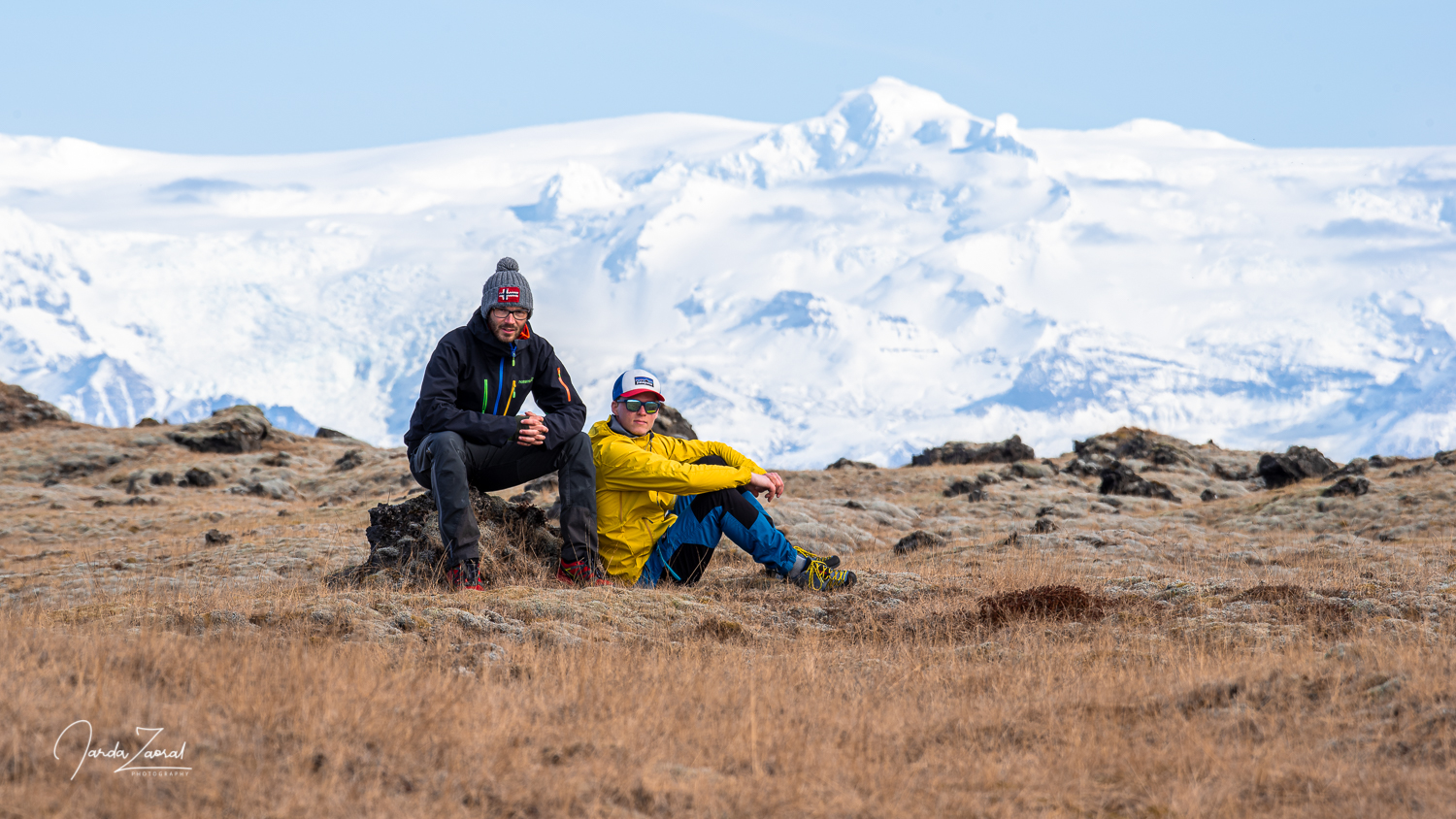
Later, the weather got better and my mood as well. I was thinking it will be time to start enjoying the beautiful landscapes but do you know what? I wasn’t that impressed by sharp mountains raising up from turquoise ocean and wonderful beaches, I was astonished by another simple moment: I was told not to pass bridges on the way because they can be dangerous. But you know me, I am stubborn so I did it anyway. I was walking up when a parent with a small 3 year old child passed me on a bike. It quickly reminded me my Dutch fiancée and it was so cute that I started to cry of happiness. I realized that this is us in a few years. I so much can’t wait for it.
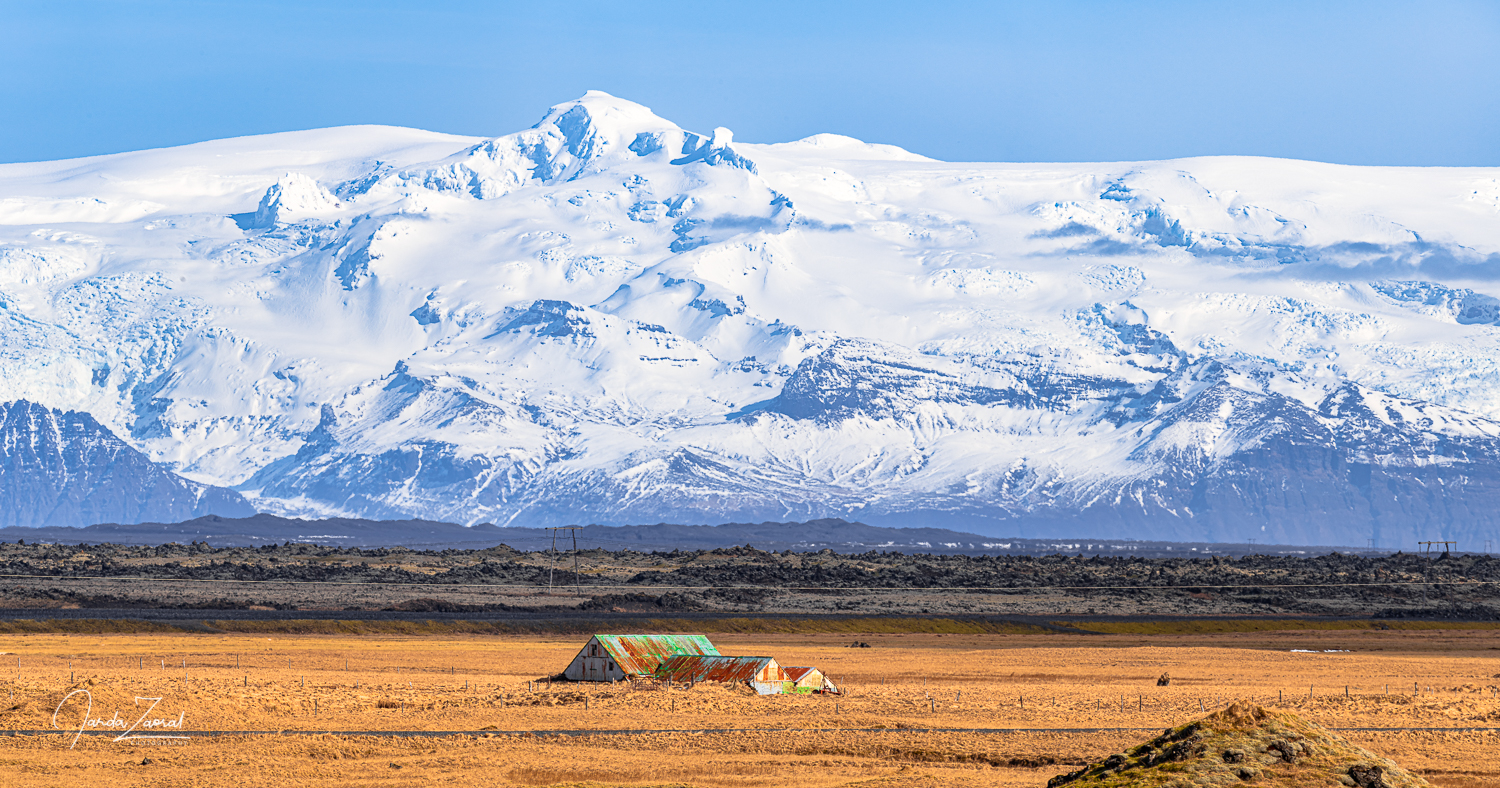
I have to admit that I was a bit worried. I never raised a kid. Will I manage? But once I finished my Camino de Lofoten and when I walked in my flip flops on the way from ferry to the airport, I suddenly felt like I am unstoppable and now I am sure we will manage anything. I can’t wait for our future role as parents.“
If you have read the article until here, you probably fell in love with Lofoten like me and you want to stay there longer. If so, you can also read my article about the best hikes and viewpoints around Lofoten.

Lofoten Crossing – Frequently Asked Questions
Before, I wish you good luck on your trek, I also created a FAQ to help you further:
Norway will never be considered cheap, but the costs vary a lot depending on your style. If you mostly camp and cook your own meals, the budget stays reasonable. Nights indoors, restaurants, and frequent transfers make the costs rise rapidly. My best advice is to plan with a financial buffer for bad weather days. When all your gear is soaked, a night break indoors might save you from the urge to cancel the rest of your hike. Remember that many people don’t finish this trek and that’s a big pity.
Most hikers complete the Lofoten Traverse in 8–13 days, depending on route choice, weather, and daily distances. My church-to-church route took 10 days, including ferry crossings and slower sections in rough terrain but I strongly advice to have 12 days if you want to cover all the road sections like me.
There is no technical climbing required (there are just two harder spots – between beaches Kvalvika and Vestervika and passing a waterfall above Forsfjord – see details above), but the trek is physically demanding. Expect steep ascents, boggy sections, slippery rocks, and some pathless terrain. Good hiking fitness, experience with multi-day backpacking, and confidence in bad weather are essential.
Some parts of the route are poorly marked or completely unmarked. A GPS track is very helpful, but you should also carry a paper map and compass and know how to use them. Fog is common on ridges and can reduce visibility to just a few meters.
Yes, wild camping is allowed in most places under Norway’s Right to Roam, as long as you stay at least 150 meters from houses and respect farmland and local restrictions. Camping is generally easy in the mountains, while flatter spots near the coast can be limited.
Water is usually plentiful. Streams and mountain lakes provide drinking water in most sections. I still recommend using a filter or purification tablets, especially later in summer or near grazing areas.
Basic resupply is possible in towns and villages – in Svolvær, Kabelvåg, Leknes, Nusfjord (very small), Ramberg, Sørvågen and in Å. Some stretches require carrying food for several days. Planning food drops carefully makes the trek much more comfortable.
Yes. Many hikers skip road sections and tunnels by using buses or hitchhiking. I chose not to use any vehicles in order to keep a continuous foot crossing, but shortening these parts is a perfectly reasonable option.
Not really. While there is no technical climbing, the combination of long days, heavy backpack, unpredictable weather, and rough terrain makes this trek best suited for hikers with previous multi-day backpacking experience.